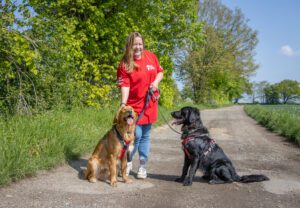
Pack Walking Dogs: What Every Owner Should Know
As dog owners, we all want the same thing. We want our dogs to be safe, happy and well cared for when they are not with us. When considering pack walking dogs services, it is important to understand how different walking styles can impact your dog’s welfare and wellbeing.
For many people, dog walking services provide invaluable support during busy working days. However, not all dog walking services operate in the same way. One area that often raises questions is pack walking dogs, where one walker takes multiple dogs out together at the same time.
While pack walking may sound like a great way for dogs to exercise and socialise, there are important welfare considerations that every owner should understand before choosing a service.
Understanding Pack Walking Dogs
Pack walking dogs typically involves one dog walker taking several dogs out together as a group.
The number of dogs can vary significantly between providers. Some walkers may take just a few dogs, while others may walk much larger groups at once.
Although this approach can appear efficient, managing multiple dogs with different personalities, energy levels and behavioural needs can be challenging.
The Welfare Challenges of Large Group Walks
Understanding the welfare implications of pack walking dogs can help owners make more informed decisions about their pet’s care.
Every dog is an individual. They have unique personalities, preferences and ways of communicating.
While some dogs enjoy social interactions, others may feel overwhelmed in busy group environments. Dogs communicate through subtle body language, including lip licking, turning away, freezing, stiffening and changes in posture.
When several dogs are being managed at the same time, these early warning signs can be difficult to spot.
Not Every Dog Enjoys Group Walks
While some dogs thrive in social settings, pack walking dogs is not always the right solution for every dog.
A common misconception is that all dogs naturally enjoy spending time with large groups of unfamiliar dogs.
In reality, many dogs prefer smaller social groups or one-to-one interactions. Nervous, reactive or easily overstimulated dogs may find large pack walks stressful rather than enjoyable.
When Excitement Becomes Overstimulation
This is one reason why pack walking dogs should always be carefully managed by experienced professionals.
Exercise is important, but so is emotional wellbeing.
In large group walks, excitement levels can rise quickly. What begins as play can sometimes escalate into frustration, tension or conflict if dogs become overstimulated.
Veterinary professionals and behaviourists often highlight the importance of carefully matching dogs based on temperament, size, energy levels and play style.
Without this consideration, the risk of stress and behavioural issues can increase.
Why We Love Pets Takes a Different Approach
At We Love Pets, welfare is at the heart of everything we do.
Rather than walking large groups, we operate a maximum of four dogs per walk. This allows our dog walkers to focus on each dog’s individual needs while maintaining a safe and controlled environment.
Carefully Matched Groups
Before joining a group walk, dogs are assessed to ensure they are suitable for walking alongside other dogs.
Factors considered include:
- Temperament
- Energy levels
- Size and strength
- Confidence levels
- Individual behaviour
Some dogs are better suited to solo walks, and where this is the safest option, that’s exactly what we recommend.
Professional Training Matters
Every We Love Pets franchisee is trained to at least Level 2 in Canine Care, with many holding additional qualifications and specialist certifications.
Our dog walkers and home boarding hosts also complete certified training covering dog behaviour, welfare, handling and safety.
Combined with access to 24/7 veterinary support, this helps ensure that every dog receives professional, welfare-led care.
Choosing the Right Dog Walking Service
If you are considering pack walking dogs services, it is worth asking detailed questions about group sizes and supervision.
When choosing a dog walker, it’s worth asking questions such as:
- How many dogs are walked at one time?
- How are dogs matched into groups?
- What training and qualifications does the walker hold?
- What happens if a dog becomes stressed or uncomfortable?
- Is there a limit on group size?
Understanding the answers can help you make an informed decision about the care your dog receives.
The We Love Pets Promise
At We Love Pets, we believe every dog deserves individual care, attention and respect.
That’s why our approach to pack walking dogs focuses on small, carefully managed groups, professional training and welfare-first decision making.
Because when it comes to your dog’s safety and wellbeing, convenience should never come before care.
Find your local We Love Pets branch here.