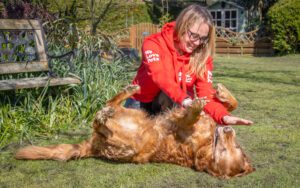
Dog Moulting Season: How to Survive the Autumn Coat Change
There is a moment every autumn when you pull a jumper out of the wardrobe, put it on, and realise you are now wearing your dog. Dog moulting season has started, the hoover is fighting a losing battle, and there is a soft grey drift of undercoat gathering under the radiator. If that sounds familiar, you are in good company.
The good news is that dog moulting season is short lived and very manageable once you know what is going on and what to do about it. Here is how our walkers and pet sitters handle it, and what actually makes a difference.
Why Dog Moulting Season Happens in Autumn
Moulting is simply the body clearing out old, dead or damaged fur and replacing it. It happens all year at a low level, but it ramps up in spring and again in autumn, when your dog swaps their lighter summer coat for a thicker winter one.
The trigger is daylight rather than temperature. As the evenings draw in, the change in light tells your dog’s body that a denser coat is needed, and the old one has to come out to make room. That is why dog moulting season tends to kick off in September and rumble on through October, regardless of how mild the weather is.
Artificial light and central heating muddle the signal a bit, which is why some indoor pets seem to shed steadily all year rather than in two obvious bursts.
Which Dogs Feel Dog Moulting Season Most
Every dog moults, but some make it far more obvious than others.
Double coated breeds shed the most. Labradors, German Shepherds, Golden Retrievers, Huskies and Saint Bernards all have a dense undercoat underneath a coarser topcoat, and it is the undercoat that comes out in clouds.
Long or silky coats tend to shed more visibly than short, coarse ones, simply because the hairs are longer and easier to spot.
Low shedding breeds such as Poodles, Maltese and Yorkshire Terriers barely moult at all, but the dead fur stays in the coat rather than falling out, so it mats. These dogs need more grooming through dog moulting season, not less.
Age, diet and stress all play a part too, so two dogs of the same breed can shed quite differently.
Getting Ahead of Dog Moulting Season
Brush More Often, Not For Longer
Five minutes daily through dog moulting season beats an hour on a Sunday. Short, frequent sessions get the loose fur out before it ends up on the sofa, and they keep the whole thing pleasant for your dog rather than turning it into a wrestling match. Doing it just after a walk works well, because most dogs are relaxed and ready to settle.
Use the Right Brush for the Coat
This is where most people go wrong. A single all purpose brush will not shift a Labrador’s undercoat, and a harsh tool on a fine coat is uncomfortable.
- Undercoat rake: the one that really works on double coated breeds during dog moulting season.
- Slicker brush: good for knots in short to medium coats.
- Rubber brush or grooming mitt: lifts dead fur from short coats and most dogs love the feel of it.
- Pin brush: for tangles in longer coats.
- Bristle brush: a finishing tool that leaves the coat looking glossy.
Deal With Mats Before You Bath
Water tightens mats and makes them far harder to work out, so always brush the coat through first. Use a proper dog shampoo rather than anything from your own bathroom, rinse thoroughly, and dry the coat properly afterwards. A damp undercoat sitting against the skin is how sore patches start.
Book the Groomer Early
Professional groomers get very busy from September onwards, and again in the run up to Christmas. If your dog needs clipping every four to twelve weeks, get the autumn and winter appointments in the diary now rather than ringing round in a panic when the coat is already matted.
Keeping the Fur Out of the House
You will never win dog moulting season completely, but you can absolutely reduce the damage.
- Put a washable throw on the sofa and your dog’s favourite chair, and wash it weekly.
- A damp rubber washing up glove wiped over upholstery gathers fur into a clump far better than a lint roller.
- Wash dog bedding regularly through dog moulting season, and shake it out outside first.
- Brush outside or in the utility room where you can, rather than in the middle of the living room.
- Keep a decent brush by the front door so a quick going over becomes part of coming home.
It Is Not Just Dogs
Cats moult in autumn too, and because they groom themselves, more of that loose fur ends up being swallowed. Regular brushing genuinely helps cut down on hairballs, and it is a nice way to spend ten minutes with a cat who would rather not be picked up. Our cat sitting visits include a brush if your cat enjoys one.
Rabbits and guinea pigs moult seasonally as well, and for rabbits especially it matters, because they cannot bring fur back up the way a cat can. Gentle, frequent grooming through a moult is part of keeping their digestion happy. Our small animal care service covers this alongside the usual feeding and cleaning.
When Shedding Is Not Just the Season
A heavy moult during dog moulting season is normal. These things are not, and are worth a call to your vet.
- Bald patches, or fur that does not grow back where it has come out.
- Red, flaky, scabby or itchy skin.
- Constant scratching, licking or nibbling at one spot.
- A coat that has gone dull, greasy or smells different.
- Shedding that comes with any change in appetite, energy or thirst.
Skin problems are easier to sort out early, and a vet can tell the difference between a seasonal moult and something that needs treating.
Fitting Grooming Into a Busy Autumn
The honest problem with dog moulting season is not the brushing itself. It is finding ten quiet minutes at the end of a day that has already got away from you.
That is where a bit of help goes a long way. A midday visit means your dog is exercised and settled before you get home, so the evening is yours rather than a rush to fit everything in. If your dog would rather have company than a long walk, our pop in visits do the same job at a gentler pace.
We Love Pets Is Here to Help
Dog moulting season only lasts a few weeks, and a bit of routine makes all the difference. If you would like a hand with the daily walks while you get on top of the fur, find your local We Love Pets branch and see who covers your area.
And if you would love to spend your autumns with other people’s dogs rather than just your own, take a look at our franchise opportunties.