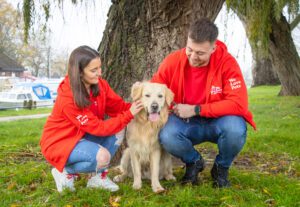
Why Spring Changes Everything for Dog Walks
Spring is a welcome change for both dogs and owners. Longer days, brighter mornings, and milder temperatures mean many dogs are suddenly walking more often and for longer distances. However, this seasonal shift also brings new risks that owners should be aware of. These spring dog walking tips help owners adjust routines safely as the season changes.
Dogs that have been less active over winter may need time to rebuild fitness. At the same time, spring introduces environmental changes such as increased wildlife activity, muddy paths, and a rise in parasites like ticks. Understanding how spring affects dog walking helps owners make safer, more informed decisions.
Adjusting Exercise Levels Safely
Avoid Doing Too Much Too Soon
As the weather improves, it’s tempting to extend walks immediately. However, sudden increases in exercise can lead to muscle strains or joint issues, particularly in older dogs or breeds prone to joint problems. One of the most important spring dog walking tips is to gradually increase walk length and intensity, allowing dogs to adapt safely.
Puppies and senior dogs benefit especially from consistency rather than long, strenuous walks. Observing energy levels and recovery time after walks helps prevent overexertion.
Mind the Changing Ground Conditions
Spring paths are often wet, uneven, or muddy. Slips and minor injuries are more common during this time of year, particularly on woodland trails or farmland. Choosing appropriate walking routes and keeping dogs under control reduces risk.
Spring Hazards to Watch Out For
Ticks, Fleas and Parasites
Spring marks the start of peak flea and tick season in the UK. Dogs walking through long grass, woodland, or fields are at higher risk of picking up parasites. Among essential spring dog walking tips are regular checks after walks and keeping preventative treatments up to date.
Ticks can transmit serious illnesses, so prompt removal and monitoring are important if one is found.
Wildlife and Livestock Awareness
In spring, wildlife becomes more active and livestock may return to fields. Dogs should be kept under close control, especially near sheep, nesting birds, or farm animals. Even well-trained dogs can react unpredictably to sudden movement or scents.
Take a look at why we’re rated so hight for our pet care services.