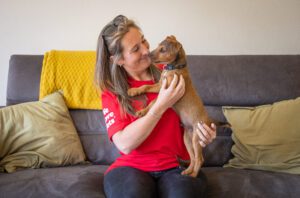
Separation Anxiety in Dogs: Helping Your Dog Adjust When the School Holidays End
Separation anxiety in dogs often surfaces at the end of the summer holidays, just as families get back into a familiar routine. Children return to school, adults head back to work and the house suddenly becomes much quieter.
While these changes can feel exciting for us, they can be confusing for our dogs. After weeks of extra attention, longer walks and more people around the house, many dogs need time to adjust.
Helping your dog ease back into their normal routine can reduce the risk of separation anxiety and make the transition much smoother for everyone.
Why Routine Is Important for Dogs
Dogs thrive on routine.
Regular feeding times, walks, play sessions and rest all help your dog feel secure because they know what to expect each day.
During the summer holidays, these routines often change. Your dog may have become used to:
- More people being at home.
- Different walking times.
- Extra playtime.
- More treats.
- Longer periods of company.
When everything changes overnight, some dogs can find it difficult to adapt.
Every Dog Adjusts Differently
Some dogs happily settle into a new routine within a few days.
Others may need a little more time, particularly if they have become accustomed to constant companionship.
Young puppies, rescue dogs and naturally sensitive dogs may find changes especially challenging.
Signs of Separation Anxiety in Dogs
It’s perfectly normal for dogs to take a little while to adjust.
However, keep an eye out for the signs of separation anxiety, which show that your dog is finding the change difficult.
These include:
- Barking when left alone.
- Whining.
- Pacing.
- Destructive chewing.
- Toileting indoors.
- Loss of appetite.
- Excessive excitement when you return home.
- Restlessness.
Recognising these behaviours early allows you to support your dog before they become established habits.
Start Returning to Your Routine Early
Rather than waiting until the day before school starts, begin introducing your usual routine a week or two beforehand.
This might include:
- Returning to normal walking times.
- Feeding meals at regular times.
- Reducing constant attention.
- Practising short periods apart.
Small, gradual changes are often much easier for dogs to cope with than sudden ones.
Keep Your Dog Mentally Stimulated
Mental stimulation can help prevent boredom while your dog adjusts to spending more time alone.
Try providing:
- Puzzle feeders.
- Stuffed enrichment toys.
- Snuffle mats.
- Safe chew toys.
- Short training sessions before you leave.
Keeping your dog’s mind busy can make time alone feel much shorter.
Leave on a Positive Note
Avoid making a big fuss when leaving the house.
Instead, calmly give your dog an enrichment toy or chew before you go, helping them associate your departure with something enjoyable.
Make Sure Your Dog Gets Enough Exercise
Exercise plays an important role in your dog’s physical and mental wellbeing.
A well-exercised dog is often more relaxed and better able to settle when left at home.
If you’re returning to work and can’t always fit in a lunchtime walk, consider whether some extra support would benefit your dog.
When Professional Support Can Help
Many owners find that professional pet care makes the transition much easier, particularly for a dog showing early signs of separation anxiety.
A dog walker can provide:
- Midday exercise.
- Toilet breaks.
- Mental stimulation.
- Company.
- A consistent routine.
Some dogs also benefit from pet sitting visits if they prefer remaining in their home environment.
Having someone visit during the day can prevent long periods of loneliness and help maintain your dog’s normal routine.
Give Your Dog Time to Adjust
Remember that routine changes affect every dog differently.
Be patient, remain consistent and reward calm behaviour.
With time and reassurance, most dogs settle happily into their new routine and quickly adapt to family life after the summer holidays.
We Love Pets Is Here to Help
If you’re heading back to work or your family routine is changing this autumn, we’re here to help.
Our experienced dog walkers and pet sitters provide reliable, professional care that fits around your schedule and your dog’s individual needs.
Whether you need regular weekday walks or occasional support, we’ll help your dog stay happy, active and well cared for all year round.
Find your local We Love Pets branch here.